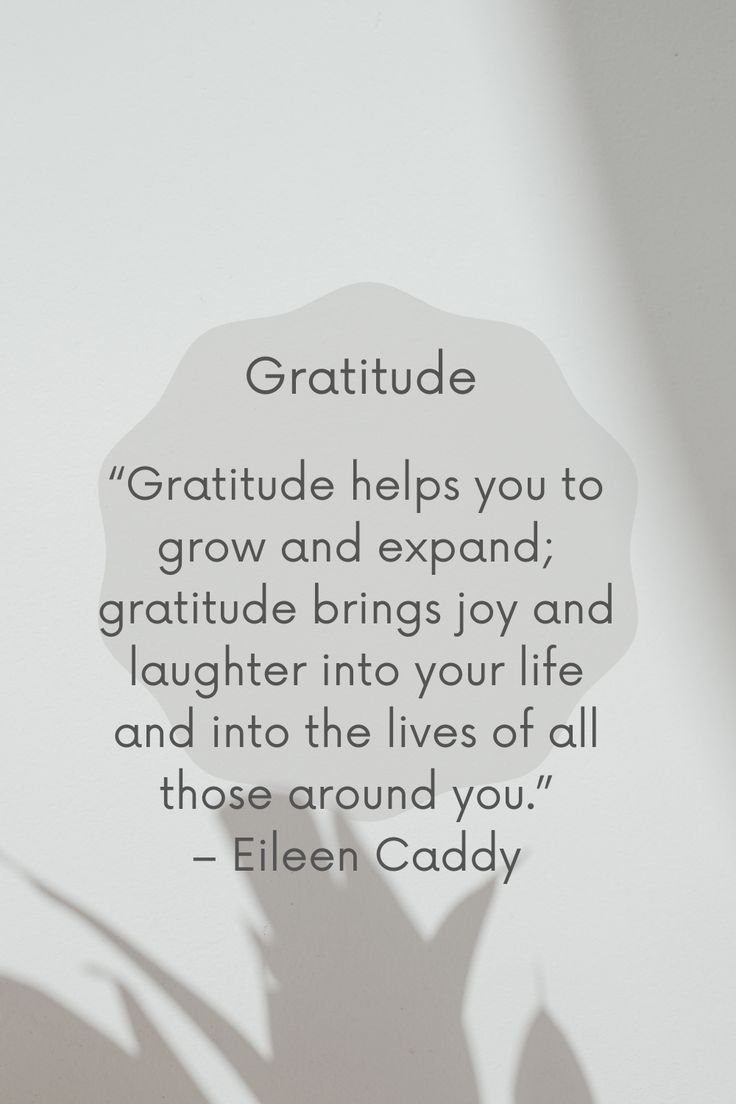
In a world constantly vying for our attention, where the next notification or urgent task always seems to be just a tap away, the art of cultivating presence and gratitude often feels like a luxurious indulgence rather than a vital practice. Yet, it's precisely in this hurried modern existence that these two interconnected forces offer a profound refuge. They aren't just feel-good concepts; they are foundational skills for navigating life with greater calm, clarity, and genuine joy.
This isn't about ignoring challenges or slapping on a fake smile. It's about fundamentally shifting how you perceive the world, reorienting your inner landscape towards abundance rather than scarcity, and finding a steadying force that grounds you in what truly matters. Ready to uncover a more peaceful, more resilient you?
At a Glance: Your Journey Ahead
- Understanding the Core: What "presence" really means and why "gratitude" is more than just polite thanks.
- The Brain Science: How these practices literally rewire your mind for happiness and resilience.
- Simple Daily Practices: Actionable steps to bring more mindful moments into your everyday life.
- Gratitude Rituals: Easy ways to foster a grateful mindset, even on tough days.
- Overcoming Obstacles: Navigating common challenges like distraction, cynicism, and overwhelming emotions.
- Beyond Yourself: How presence and gratitude can transform your relationships and inspire action.
Unpacking Presence: Why Now Is All You Truly Have
Presence, at its heart, is the ability to be fully engaged in the current moment, without judgment or distraction. It means truly listening when someone speaks, fully tasting your food, or deeply appreciating the warmth of the sun on your skin. It’s a state of focused awareness, a gentle anchoring in the here and now.
We spend so much of our lives adrift in thought — replaying past conversations, worrying about future events, or endlessly planning the next step. While these mental activities have their place, an overreliance on them pulls us away from the richness of the present experience. When we're not present, we miss life as it unfolds. We go through the motions, but we don't truly live them.
Think of it as tuning into a radio station. Most of the time, our minds are flipping through channels, catching snippets of static from the past or fuzzy predictions of the future. Cultivating presence is like deliberately tuning into the "Now" station, allowing its signal to come in clear and strong. It's where life actually happens, where joy resides, and where genuine connection is forged.
The Hidden Costs of an Absent Mind
Living perpetually in your head exacts a toll. You might notice:
- Missed Moments: The child's laughter, the beautiful sunset, the friend's subtle expression – all fade into the background.
- Increased Stress & Anxiety: Constant worry about the future is a direct result of not being grounded in the present.
- Shallow Connections: It's hard to genuinely connect with others if your mind is always elsewhere.
- Reduced Enjoyment: Even pleasurable activities can feel unfulfilling if your focus isn't on them.
- Poor Decision-Making: Hasty decisions often stem from a lack of present awareness, leading to rushed reactions instead of thoughtful responses.
Bringing presence into your life isn't about adding another task to your already busy day. It's about transforming how you engage with all your existing tasks, making every moment potentially more meaningful and less stressful.
Gratitude: More Than Just Saying "Thanks"
While a polite "thank you" is a wonderful social grace, genuine gratitude goes much deeper. As the Cuyamungue Institute highlights, gratitude is a profound "way of perceiving the world that can fundamentally shift our inner landscape." It’s an active recognition and appreciation for the goodness, big or small, that exists in our lives.
This isn't about being blindly optimistic or ignoring hardship. It's about consciously shifting your inner attention toward abundance rather than scarcity. It's about pausing long enough to notice the quiet blessings woven into your days, recognizing that even in challenging times, there is still beauty, meaning, and connection to be found.
Across cultures and throughout history, gratitude has been honored as an essential component of spiritual and communal life. Indigenous traditions express thanks to the land and elements; ancestors are remembered with offerings. This practice forms a bridge between everyday awareness and the sacred, reminding us that we are part of something larger than ourselves. It connects us to purpose, lineage, community, and our innate capacity for compassion.
The Profound Benefits of a Grateful Heart
Embracing gratitude isn't just about feeling good; it's about actively cultivating well-being. Research consistently points to a wide array of benefits:
- Enhanced Mood: Gratitude is a powerful antidote to negative emotions, boosting feelings of happiness and joy.
- Improved Relationships: Expressing gratitude strengthens bonds and fosters a deeper sense of connection with others.
- Greater Resilience: A grateful mindset helps you cope with stress and trauma more effectively, allowing you to bounce back faster from adversity.
- Better Physical Health: Studies suggest grateful individuals experience fewer aches and pains, sleep better, and are more likely to engage in healthy behaviors.
- Increased Empathy: When you appreciate the support you receive, you're more inclined to offer it to others.
- Reduced Materialism: Shifting focus from what you lack to what you have can decrease the desire for more "stuff."
Gratitude, when embraced as a spiritual practice, truly becomes a way of orienting ourselves to life. It reconnects us to life’s sacred rhythms and helps us remember our place within the greater web of being.
The Powerful Symbiosis: How Presence Fuels Gratitude (And Vice Versa)
Presence and gratitude aren't independent practices; they are deeply intertwined, each amplifying the other. You can't truly feel grateful for something if you're not present enough to notice it in the first place.
Imagine rushing through your morning coffee, mind already on your to-do list. You're not present. You might register the taste vaguely, but you won't experience the warmth of the mug, the rich aroma, or the quiet moment of peace. Consequently, you're unlikely to feel a wave of gratitude for this simple pleasure.
Now, imagine taking a mindful sip, really being with your coffee. You notice the steam, the nuanced flavor, the comfort it brings. This present moment awareness naturally opens the door to gratitude: "Ah, this coffee is so good. I'm so grateful for this moment of warmth and quiet."
Conversely, a conscious practice of gratitude pulls you into the present. When you deliberately seek out things to appreciate, you have to pay attention. You have to notice the sunbeam, the kindness of a stranger, or the simple fact that you have food on your plate. Gratitude forces your mind to slow down and observe, effectively practicing presence.
They form a virtuous cycle:
- Presence: You notice the small details of your day.
- Gratitude: You appreciate those details.
- Enhanced Presence: The feeling of gratitude makes you more inclined to seek out and notice more good things, deepening your presence.
This dance between presence and gratitude is where true inner peace and well-being begin to flourish. It’s a powerful partnership that transforms the ordinary into the extraordinary.
Rewiring Your Brain: The Science Behind the Shift
The benefits of cultivating presence and gratitude aren't just anecdotal; they're backed by robust scientific research. These practices actively change the structure and function of your brain, a phenomenon known as neuroplasticity.
When you consistently practice mindfulness (a key component of presence), you're essentially exercising certain areas of your brain. Studies show that regular meditation and mindfulness can:
- Increase Grey Matter: Especially in areas associated with self-awareness, compassion, and emotional regulation (like the prefrontal cortex and insula).
- Reduce Amygdala Activity: The amygdala is your brain's "fear center." Less activity here means less reactivity to stress and perceived threats.
- Strengthen Neural Connections: Between areas that help you stay focused and less prone to mind-wandering.
Similarly, gratitude practices have a measurable impact on brain function: - Activate Reward Centers: When you feel grateful, your brain releases dopamine, a neurotransmitter associated with pleasure and motivation.
- Boost Oxytocin: This "bonding hormone" is released during feelings of appreciation, strengthening social connections.
- Impact on Stress Hormones: Consistent gratitude can lower levels of cortisol (the stress hormone) and increase levels of DHEA (an anti-aging hormone).
Essentially, by repeatedly choosing to be present and grateful, you're building new neural pathways that make it easier for your brain to default to these positive states. You’re literally training your brain to be happier and more resilient. It's like working out a muscle: the more you use it, the stronger it gets.
Practical Pathways: Daily Practices for Cultivating Presence
Making presence a consistent part of your life doesn't require hours of meditation (though that helps!). It’s about weaving mindful moments into your everyday routine.
1. Mindful Breathing: Your Anchor to the Present
This is the simplest, most accessible practice. Your breath is always with you, always in the present moment.
- Micro-Practice: Take three slow, deep breaths right now. Notice the air entering your nostrils, filling your lungs, and slowly leaving your body. Feel your chest rise and fall.
- When to Use It: Before answering the phone, opening an email, starting a new task, or anytime you feel overwhelmed. It’s a mini-reset button.
2. Mindful Eating: Savor Every Bite
Eating is a daily necessity, making it a perfect opportunity for presence.
- Try This: For your next meal or snack, put away all distractions (phone, TV, book). Look at your food. Notice its colors, textures, and aromas. Take a small bite. Chew slowly, noticing the flavors, how it feels in your mouth, and the sensation of swallowing. Pause between bites.
- Benefit: Not only does this enhance enjoyment, but it can also aid digestion and prevent overeating.
3. Mindful Walking: Connect with Your Surroundings
Whether you’re walking to your car or through a park, you can transform it into a mindful experience.
- Focus Points: Notice the sensation of your feet on the ground. Feel the air on your skin. Listen to the sounds around you – birds, traffic, wind. Observe the visual details: colors, shapes, light. Try to notice something you've never seen before.
- Tip: Don't judge your thoughts; just gently redirect your attention back to your senses whenever your mind wanders.
4. Single-Tasking: Embrace the Power of One
In a world that glorifies multitasking, single-tasking is a revolutionary act of presence.
- Practice It: Choose one task and commit to doing only that task for a set period (e.g., 20 minutes). Close other tabs, silence notifications. If your mind wanders, gently bring it back to the task at hand.
- Outcome: You'll likely find you complete tasks more efficiently and with higher quality, all while feeling less stressed.
5. The Five Senses Check-in: A Quick Grounding Tool
When feeling scattered or anxious, this technique brings you back to the present instantly.
- Method: Identify:
- 5 things you can see.
- 4 things you can feel (e.g., the texture of your clothes, the chair beneath you).
- 3 things you can hear.
- 2 things you can smell.
- 1 thing you can taste (or recall a taste).
6. Nature Immersion: Finding Serenity Outdoors
Spending time in nature is a powerful way to cultivate presence. It naturally draws your attention to sensory experiences.
- Activity: Take a walk in a park, sit by a tree, or gaze out a window at the sky. Focus on the organic beauty around you. Notice the intricate patterns of leaves, the vastness of the sky, or the dance of shadows. For a deeper appreciation of life's fleeting beauty, remember to Explore lifes fleeting beauty in nature.
- Benefits: Reduces stress, boosts mood, and helps you feel more connected to the larger world.
Embracing Gratitude: Daily Rituals and Mindsets
Beyond acknowledging the good, cultivating gratitude is about actively seeking it out and allowing it to transform your perspective.
1. The Gratitude Journal: Your Daily Dose of Appreciation
This is perhaps the most well-known and effective gratitude practice.
- How To: Each day (morning or evening), write down 3-5 specific things you are grateful for. Be specific! Instead of "I'm grateful for my family," try "I'm grateful for my daughter's contagious laugh this morning" or "I appreciate my partner making me tea when I was stressed."
- Why It Works: It trains your brain to actively look for positives, shifting your focus away from what's missing.
2. Expressing Thanks: Make It Heard
Don't just feel gratitude; share it.
- Practice: Make it a habit to genuinely thank someone each day – a family member, a colleague, a friend, or even a barista. Be specific about why you're thankful. A handwritten note, a phone call, or a heartfelt verbal thank you can make a huge impact.
- Benefit: Strengthens relationships and spreads positivity. The Cuyamungue Institute notes that when we are grateful, we are inspired to care—to preserve what is precious, to support what uplifts us, and to nurture what brings meaning into our lives.
3. Gratitude Meditations: A Guided Journey
Many guided meditations focus specifically on cultivating gratitude.
- Find One: Search for "gratitude meditation" on YouTube or mindfulness apps. These often guide you to bring to mind people, experiences, or things you appreciate.
- Purpose: Helps you connect with the feeling of gratitude on a deeper, more embodied level.
4. The "Gratitude Glass" or "Jar of Joys": A Visual Reminder
This is a wonderful long-term practice for families or individuals.
- Method: Keep a jar or glass in a visible spot. Throughout the week, whenever something good happens or you feel grateful, write it down on a small slip of paper and put it in the jar.
- Review: On New Year's Eve, or whenever you need a boost, open the jar and read through all the collected moments of joy and appreciation. It’s a powerful reminder of how much good has happened.
5. Shift Your Language: From "Have To" to "Get To"
Our language shapes our reality.
- Try This: Pay attention to how you frame daily tasks. Instead of "I have to go to work," try "I get to go to work and contribute my skills." Instead of "I have to do laundry," try "I get to have clean clothes."
- Impact: This simple linguistic shift reframes obligations into opportunities and privileges, fostering an immediate sense of gratitude.
6. Mindful Recall: The "Rose, Bud, Thorn"
This is a great practice for reflecting on your day.
- Before Bed: Mentally (or in a journal) identify:
- Rose: One thing that went well or that you felt grateful for.
- Bud: One thing you're looking forward to or that has potential.
- Thorn: One challenge or something that didn't go well, acknowledging it without judgment.
- Focus: While acknowledging the "thorn," consciously emphasize the "rose" to end your day on a note of appreciation.
Navigating the Shadows: When Presence and Gratitude Feel Hard
Let's be real: life isn't always sunshine and rainbows. There will be days, or even seasons, when cultivating presence feels impossible and gratitude seems completely out of reach. This is normal, and it's okay.
Common Pitfalls and How to Overcome Them:
- "I'm Too Busy/Stressed": This is precisely when you need presence and gratitude the most. Start small. A single mindful breath. A quick grateful thought. Even 30 seconds can make a difference. Don't aim for perfection; aim for consistency, however brief.
- "It Feels Forced/Fake": If gratitude feels forced, try starting with something utterly basic: "I'm grateful for gravity keeping me on the Earth," or "I'm grateful for my next breath." Acknowledge the feeling without judgment. True gratitude isn't about ignoring pain; it’s about finding small pockets of light even when darkness looms.
- "My Mind Won't Stop Wandering": Welcome to the human experience! The goal of presence isn't to stop thoughts, but to notice them and gently guide your attention back to the present moment, over and over again. Each time you bring your mind back, you're strengthening that "presence" muscle.
- "Nothing Good Is Happening": This is a tough one. In moments of deep grief, loss, or hardship, it can feel impossible to find anything to be grateful for. In these times, "gratitude" might look different. It might be gratitude for the resilience of your own spirit, for a moment of quiet, for the simple fact that you are still here. It’s about acknowledging even the most basic elements of existence that sustain you.
- "Cynicism or Skepticism": For those who are naturally more analytical or skeptical, these practices might feel "woo-woo." Focus on the science. Remember the brain changes, the reduced stress hormones. Treat it as an experiment. What do you have to lose by trying?
A Gentle Reminder: Be kind to yourself. There's no "right" way to be present or grateful, and there's no failure. Every moment you try is a success. These are practices, not destinations.
Beyond the Self: Extending Gratitude into Action
The Cuyamungue Institute wisely points out that gratitude "naturally extends into action." When you genuinely feel grateful, it inspires you to care. This isn't just about feeling warm fuzzies; it's about being moved to contribute, to protect, and to uplift.
How Gratitude Inspires Stewardship:
- Caring for the Environment: If you're grateful for the beauty of nature and the resources it provides, you're more likely to recycle, conserve water, and support environmental initiatives.
- Community Engagement: Gratitude for your community – its services, its people, its safety – can inspire you to volunteer, participate in local events, or support local businesses.
- Nurturing Relationships: Feeling grateful for the people in your life naturally leads to acts of service, kindness, and deeper commitment within those relationships.
- Sharing Your Gifts: If you're grateful for your talents or opportunities, you might feel compelled to use them to help others, mentor someone, or contribute to a cause greater than yourself.
Gratitude becomes a call to stewardship, a powerful motivator to give back to the world that has given so much to you. It transforms an internal state into an external force for good, creating a ripple effect that benefits everyone.
Sustaining the Journey: Making It a Way of Life
Cultivating presence and gratitude isn't a one-time fix; it's a lifelong journey. Consistency, even in small doses, is far more impactful than sporadic grand gestures.
Keys to Long-Term Integration:
- Start Small, Stay Consistent: Don't overhaul your life overnight. Pick one or two practices and commit to them for a week. A few minutes each day is better than an hour once a month.
- Stack Your Habits: Link your new practices to existing habits. For example, before you drink your morning coffee, take three mindful breaths. Before bed, write three things in your gratitude journal.
- Find Your "Why": Remind yourself of the benefits you've experienced. Why is this important to you? What kind of person do you want to be?
- Embrace Imperfection: You will forget. Your mind will wander. You will have bad days. That's part of being human. Just acknowledge it, let it go, and gently return to your practice.
- Seek Community: Share your experiences with friends, family, or online groups. Hearing others' journeys and insights can be incredibly motivating.
- Be Patient: Just like any skill, cultivating presence and gratitude takes time and practice. Don't expect instant enlightenment. Trust the process, and celebrate the small shifts.
As you continue on this path, you’ll discover that presence and gratitude aren't just tools to cope with life; they are essential ingredients for a life truly well-lived. They allow you to reconnect with the sacred rhythms of existence, ground yourself in what truly matters, and remember your place within the greater web of being. Embrace the journey, one mindful breath and one grateful heart at a time.